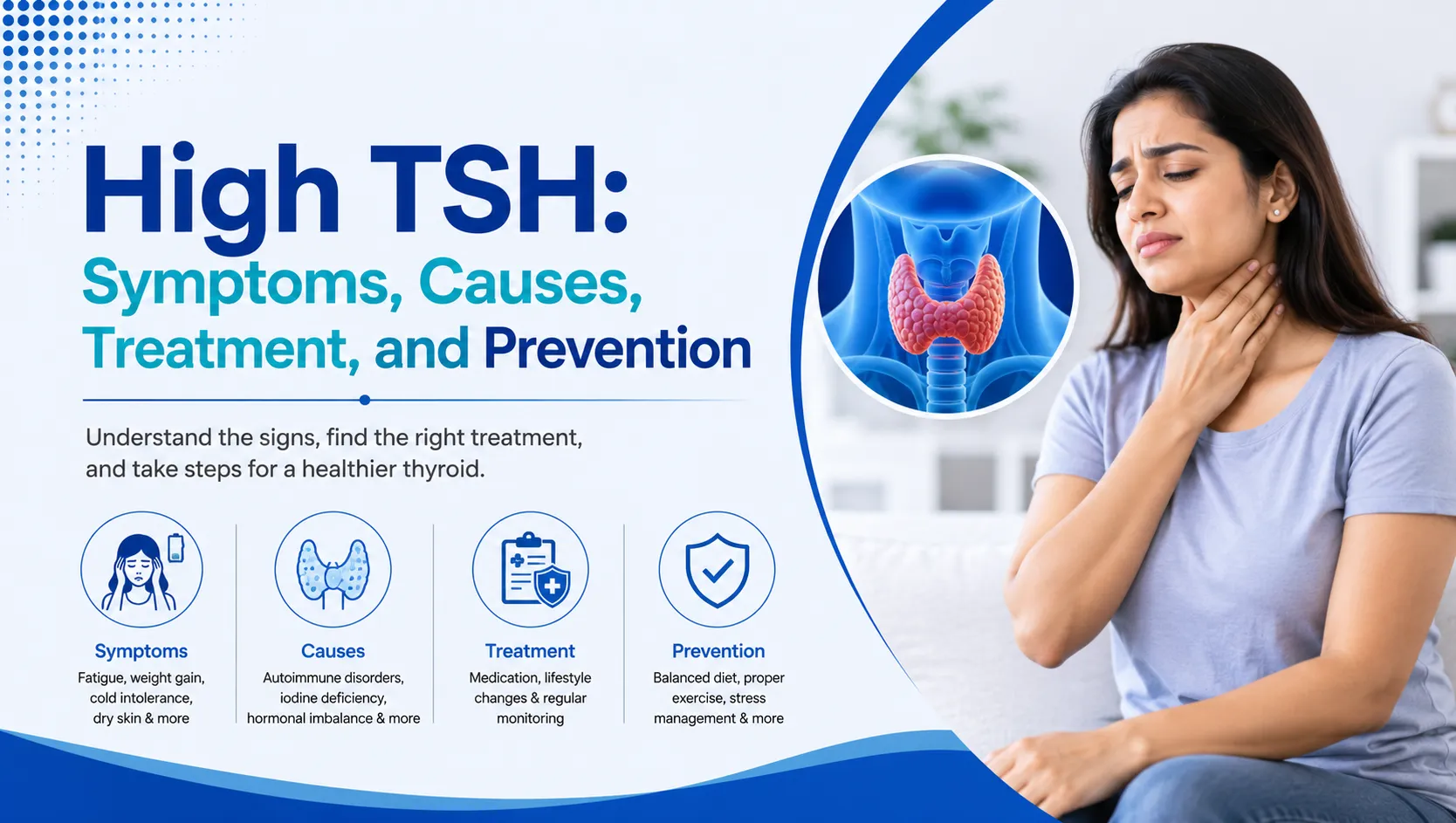
High TSH levels often occur when the thyroid gland is not producing enough thyroid hormone, a condition known as hypothyroidism or underactive thyroid. Symptoms can develop gradually, and some people with mildly elevated TSH may not notice any symptoms at all.
What Is TSH?
TSH (Thyroid-Stimulating Hormone) is produced by the pituitary gland and helps regulate the production of thyroid hormones. The thyroid gland produces T3 and T4, which play an important role in metabolism, energy, body temperature, and other body functions.
When thyroid hormone levels are low, the pituitary gland may produce more TSH to stimulate the thyroid. This is why a high TSH level often indicates an underactive thyroid.
Common Physical Symptoms
Common symptoms associated with hypothyroidism may include:
-
Persistent fatigue and low energy – feeling tired even after getting enough rest
-
Unexplained weight gain or difficulty losing weight
-
Cold sensitivity – feeling unusually cold when others are comfortable
-
Constipation or slower bowel movements
-
Dry, rough, or flaky skin
-
Dry or thinning hair and increased hair fall
-
Brittle nails
-
Muscle aches, stiffness, or cramps
-
Joint pain or discomfort
-
Puffy face or swelling around the eyes
-
Slower heart rate
-
Shortness of breath or reduced exercise tolerance
Mental and Emotional Symptoms
Changes in thyroid hormone levels can also affect concentration, memory, and mood. Some people may experience:
-
Brain fog or difficulty concentrating
-
Forgetfulness or memory problems
-
Low mood or depression
-
Sluggishness or feeling mentally slow
Hormonal and Reproductive Symptoms
Hypothyroidism may also affect reproductive health, particularly when thyroid hormone levels remain low. Possible symptoms include:
-
Heavy or irregular menstrual periods
-
Changes in the menstrual cycle
-
Difficulty conceiving or fertility problems
-
Reduced sexual desire
What Does High TSH Mean?
A high TSH level usually means that the thyroid gland is not producing enough thyroid hormones, which is commonly associated with hypothyroidism. The pituitary gland releases more TSH to encourage the thyroid to produce more hormones.
However, TSH high means something different depending on your T3 and T4 levels, symptoms, age, pregnancy status, and overall health. A doctor may recommend additional thyroid tests before confirming a diagnosis.
What TSH Level Is Considered Dangerously High?
There is no single TSH value that is considered dangerous for everyone. The significance of a high TSH level depends on factors such as T4 levels, symptoms, age, pregnancy status, and overall health. A very high or persistently elevated TSH level should be evaluated by a doctor to determine the underlying cause.
Causes of High TSH Levels
High TSH values may occur due to a variety of reasons, and there are common ones.
1. Hypothyroidis
Hypothyroidism is one of the most common reasons for an elevated TSH level. When the thyroid does not produce enough thyroid hormones, the pituitary gland may release more TSH to stimulate thyroid function.
2. Hashimoto's Thyroiditis
Another common reason may be Hashimoto's disease. This disorder leads to the improper functioning of the gland since antibodies start attacking it.
3. Thyroid Surgery
Thyroid surgery often results in reduced production of hormones. As a consequence, high TSH values are observed.
4. Drug Use
Some medications can affect thyroid function or TSH levels. If you take regular medicines and have an elevated TSH result, your doctor can determine whether they may be contributing to the abnormal result.
5. Iodine Balance Disorders
The production of hormones is related to the amount of iodine present in the thyroid. Therefore, any imbalances will result in abnormal hormone levels.
6. During Pregnancy
Pregnancy increases the body's need for thyroid hormones. Hormonal changes during this time are among the common causes of high TSH in females, making regular thyroid monitoring important for both mother and baby.
Causes of High TSH in Females
The causes of high TSH in females can include hypothyroidism, Hashimoto's thyroiditis, certain medications, iodine imbalance, previous thyroid treatment or surgery, and pregnancy-related thyroid changes. The exact cause can only be determined through appropriate thyroid testing and medical evaluation.
Dangers of High TSH Levels
In case this condition remains untreated, it may cause more serious complications than just fatigue or weight gain.
Some of the complications may include:
-
High levels of cholesterol
-
Increased chances of heart disease
-
Infertility
-
Miscarriages
-
Difficulty with concentration
-
Depression
-
Neuromuscular problems
-
Hypothyroidism
It is fortunate that with early detection and proper treatment, the risks of developing such complications become minimal.
How Is High TSH Diagnosed?
The cause of an elevated TSH level is usually a matter of the use of blood tests, looking for symptoms, and looking over your medical past.
Thyroid Function Tests
Doctors typically order tests that are used to measure:
-
TSH
-
Free T4
-
Free T3
These tests determine how well the thyroid gland functions.
Medical and Physical Examinations
Your doctor may inquire about the signs you have experienced, any previous thyroid issues, medications that you have taken in the past, and any changes that have occurred recently.
Thyroid Antibody Tests
They help detect immune system-related thyroid disorders like Hashimoto's thyroiditis.
Ultrasound of the Thyroid Gland
Sometimes an ultrasound is suggested to assess the thyroid gland size and any abnormal changes.
Treatment for High TSH
The choice of the treatment regime will depend on the cause of the disorder and its severity.
-
Thyroid Hormone Replacement Therapy
Thyroid hormone replacement therapy is commonly recommended to help normalize hormone levels and reduce TSH levels.
-
Periodic Tests for Hormone Levels
Since the concentration of hormones constantly fluctuates, periodic tests need to be conducted to ensure that the dose of the medication is right.
-
Further Treatment of the Condition
If an immune system-related disease is the cause of elevated TSH or another thyroid issue exists, the doctor may prescribe further treatment.
-
Good Healthy Habits
Even though there are no special ways to cure thyrotoxicosis on your own, healthy food intake, regular physical activity, and adequate sleep are recommended.
Can High TSH Levels Be Prevented?
Not all thyroid conditions can be prevented, especially those related to family history or immune system disorders. However, some healthy habits may help support thyroid health.
Maintain a Healthy Diet
Include foods that provide important nutrients such as:
-
Iodine
-
Selenium
-
Zinc
-
Iron
Remain Physically Active
Exercise will assist with metabolic functions and general health.
Stop Self-Medication
Self-administration of medication for the thyroid gland may prove to be detrimental to your health.
Schedule Routine Health Checkups
Individuals who have a history of thyroid problems in their family should undertake thyroid tests regularly.
Manage Stress Effectively
While stress is not the direct cause of hypothyroidism, controlling your stress will help your general health.
Conclusion
A high TSH level often indicates that the thyroid gland is not producing enough thyroid hormones, which can affect metabolism, energy levels, and overall well-being. While symptoms may develop gradually, early diagnosis and appropriate treatment can help prevent complications and improve quality of life.
If you experience symptoms such as persistent fatigue, unexplained weight gain, dry skin, or hair loss, it is important to seek medical advice and undergo proper thyroid evaluation. Dr. Rajesh, who is regarded as one of the best General Surgeons in Gurgaon, has over 13 years of experience in diagnosing and managing a wide range of health conditions. Early medical attention can help identify the underlying cause and ensure timely treatment.
Frequently Asked Questions (FAQs)
1. What does a high TSH level indicate?
A high TSH level usually indicates that the thyroid gland is not producing enough thyroid hormones, a condition commonly known as hypothyroidism.
2. What are the common symptoms of high TSH?
Common symptoms include fatigue, unexplained weight gain, dry skin, hair loss, constipation, sensitivity to cold, depression, and difficulty concentrating.
3. What causes high TSH levels?
High TSH levels can be caused by hypothyroidism, Hashimoto's thyroiditis, thyroid surgery, certain medications, iodine imbalance, and hormonal changes during pregnancy.
4. Is a high TSH level dangerous?
A high TSH level may increase the risk of complications such as high cholesterol, heart disease, infertility, and other health issues if left untreated. The severity depends on hormone levels, symptoms, and overall health.
5. How is high TSH treated?
Treatment typically depends on the underlying cause and may include thyroid hormone replacement therapy, regular monitoring of thyroid function, and managing any associated thyroid conditions.